Spain NATO Defense Spending: Suspension Risk
Spain NATO defense spending simulation finds 48% negotiated off-ramp and only 6% formal alliance crisis risk over 45 days.
Executive Summary
Spain NATO defense spending is now the center of a high-stakes alliance credibility test. A 16-agent, 10-round MiroFish simulation of the reported U.S. threat to suspend Spain from NATO found a 48% probability that the dispute is absorbed into a negotiated burden-sharing off-ramp, compared with only a 6% probability of a formal alliance crisis. The decisive finding is simple: suspension is legally weak but politically useful. That combination makes the threat powerful as leverage, but poor as an executable NATO mechanism.
The simulation suggests Washington can still extract a visible concession from Madrid. The likely package is not expulsion, suspension, or second-class NATO status. It is a phased Spanish defense plan built around procurement acceleration, readiness metrics, and a timetable that lets the United States claim burden-sharing progress while Spain frames the move as sovereign European defense modernization.
This matters beyond Spain. If NATO allows the idea of conditional Article 5 guarantees to harden, Moscow gains a cheap information victory. If NATO converts the fight into standard burden-sharing language, the alliance contains the dispute and may even accelerate European defense investment. The 45-day question is therefore not whether Spain can actually be suspended. It is whether Washington accepts a marketable spending win before rhetoric creates damage that law never required.
Background and Context: NATO Burden Sharing
The immediate dispute sits inside a familiar NATO burden-sharing fight. For years, U.S. administrations have pressed European allies to spend more on defense. NATO's own public material on defence expenditures tracks allied spending against agreed benchmarks and has made burden-sharing one of the alliance's most visible political metrics. Spain has often been treated as a low-spending ally relative to the most demanding NATO targets, which makes it an obvious candidate for public U.S. pressure.
The escalation point is different this time. According to the simulation seed, the reported threat was not merely to criticize Spain's spending. It was to seek some form of suspension from NATO. That shifts the issue from budget politics to treaty credibility. NATO is a treaty alliance, not a club with an ordinary expulsion button. The North Atlantic Treaty defines accession, collective defense, consultation, and withdrawal, but it does not provide a clear path for expelling or suspending a member.
That legal absence is the central constraint. A threat can shape behavior even when it cannot be implemented cleanly, but the more Washington leans into membership ambiguity, the more it risks weakening the deterrence effect NATO exists to provide. Article 5 works because adversaries believe an attack on one ally creates a response problem for all allies. Any suggestion that protection is conditional on short-term political satisfaction creates exploitable ambiguity.
Spain also has domestic political limits. Prime Minister Pedro Sanchez cannot be seen as accepting defense increases under direct U.S. humiliation. Spanish left coalition actors can attack rapid spending hikes as capitulation, militarization, or subordination to Washington. That makes framing as important as substance. The same procurement and spending package can either stabilize the dispute or detonate it depending on whether it is sold as sovereign planning or forced obedience.
For comparison, Zeki's recent simulations have repeatedly found that legal structures and face-saving mechanisms matter more than headline threats. See the prior research archive at zekiai.xyz/blog, including simulations on sanctions escalation, maritime chokepoints, and alliance bargaining. The pattern is consistent: when formal escalation pathways are weak but political pressure is strong, actors usually search for an off-ramp that lets each side claim a different victory.
Methodology: MiroFish Simulation and Spain NATO Spending
This paper is based on a structured MiroFish-style multi-agent simulation, not a prediction market, classified intelligence assessment, or polling exercise. The simulation ran 16 agents over 10 rounds. Each agent represented an institutional actor with distinct incentives, constraints, and information priorities. The goal was to model how the dispute could evolve over the next 45 days.
The simulation question was: does the reported U.S. threat to suspend Spain from NATO become a formal alliance crisis, or does it get absorbed into a negotiated burden-sharing fight?
The 16 agents were:
- U.S. White House Strategist
- U.S. Pentagon Planner
- U.S. Senate NATO Hawk
- NATO Secretary General
- Spanish Prime Minister Pedro Sanchez
- Spanish Defense Ministry Technocrat
- Spanish Left Coalition Partner
- French Elysee Advisor
- German Chancellery Official
- Polish Security Official
- Baltic Defense Minister
- UK Foreign Office and NATO Desk
- European Commission Trade and Defense Official
- Kremlin Information Operator
- Defense Industry Lobbyist
- Bond and FX Market Analyst
Each round forced agents to react to legal feasibility, U.S. pressure, Spanish domestic politics, eastern flank deterrence concerns, EU solidarity, Russian information operations, and summit diplomacy. The output is a probability distribution across plausible 45-day scenarios.

The simulation's advantage is not omniscience. It is structured friction. A single analyst can over-index on the loudest quote. A multi-agent simulation forces competing institutions to push back: the Pentagon resists actions that damage basing and operational cooperation, Poland wants higher spending without Article 5 ambiguity, Madrid needs a domestic story, and the NATO Secretary General prioritizes treaty credibility.
Key Findings: Can NATO Expel a Member?
The most important finding is that a formal suspension crisis is structurally unlikely. The simulation assigned only 6% probability to a formal alliance crisis involving attempted punitive mechanisms, explicit second-class status, or threats to basing and intelligence cooperation.
The reason is legal and strategic. NATO lacks a clean suspension or expulsion mechanism. Even if a U.S. administration wants to punish Spain, NATO consensus politics and the absence of a clear treaty tool make formal suspension an awkward instrument. It would also create a precedent most allies do not want. Today the target is Spain. Tomorrow the target could be any ally that falls out of favor with Washington.
NATO burden sharing becomes the off-ramp
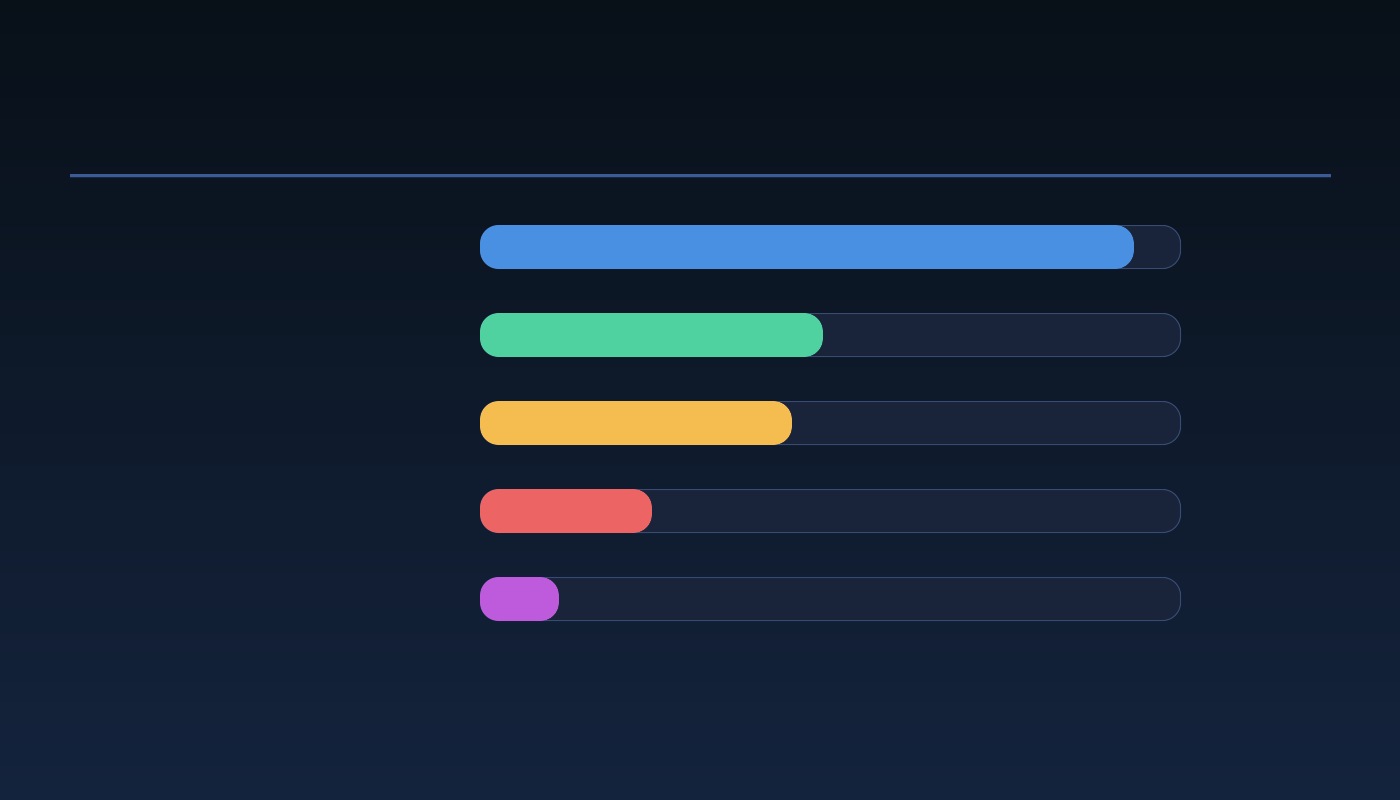
The modal scenario, at 48%, is a negotiated burden-sharing off-ramp. Spain announces or signals a multi-year defense spending path, procurement acceleration, and NATO reporting language. Washington claims pressure worked. Madrid frames the package as sovereign and European. NATO restates unity.
| Scenario | Probability | Core Mechanism |
|---|---|---|
| Negotiated burden-sharing off-ramp | 48% | Spain offers phased spending, procurement, and readiness commitments |
| Prolonged rhetorical dispute | 24% | Legal crisis avoided, but summit language and public rhetoric remain tense |
| EU/NATO precedent fight | 12% | Europe pushes back against U.S. conditionality as a governance issue |
| Spanish domestic backlash | 10% | Sanchez delays concessions to avoid coalition or parliamentary damage |
| Formal alliance crisis | 6% | Requires renewed threats, punitive bilateral measures, or Article 5 ambiguity |
Spain NATO spending is politically useful leverage
The threat is not meaningless. The simulation repeatedly found that public pressure gives Washington leverage to demand a number, a date, or a procurement headline. A legal bluff can still move negotiations if the target wants to avoid becoming a continuing object lesson.
That points to capability-specific concessions rather than only GDP arithmetic. The likely menu includes air defense, munitions, logistics, readiness, C4ISR, naval assets, and deployability commitments. NATO's 2024 and 2025 spending debates have increasingly emphasized not only how much allies spend, but whether spending fills real capability gaps. That gives Spain a path to offer useful concessions without accepting a humiliating headline.
Eastern flank allies are the quiet brake
Poland and the Baltic states are pivotal. They want higher allied spending, including from Spain. But they also have the strongest reason to oppose membership ambiguity. From their perspective, any suggestion that Article 5 protection depends on Washington's current satisfaction with a member's budget is strategically dangerous. It gives Russia a narrative that NATO guarantees are conditional.
That eastern flank pressure channels the dispute away from formal escalation and toward disciplined language: all allies remain protected, burden-sharing must improve, and Spain should make measurable capability commitments.

Market Implications: Spain NATO Spending and Defense Procurement
The direct market impact should remain contained unless the dispute touches Spanish government stability, U.S.-Spain basing, intelligence cooperation, or broader EU fiscal politics. The simulation's Bond and FX Market Analyst saw limited sovereign debt or euro repricing under the modal scenario. Headline risk exists, but formal crisis risk is too low to justify systemic market stress by itself.
The more investable implication is defense procurement. If the off-ramp is built around visible capability commitments, defense contractors and European industrial suppliers become the practical beneficiaries. Procurement is easier to announce than an immediate full budget shock. It can be framed as jobs, readiness, European industrial capacity, and NATO credibility at the same time.
The sectors most exposed to upside are air defense, naval modernization, munitions, secure communications, ISR, logistics, and readiness infrastructure. Spain can satisfy part of the political demand by moving from abstract spending targets to concrete procurement and capability benchmarks. That structure lets Washington point to measurable progress while Madrid avoids appearing to sign a blank check under pressure.
There is also a European Union angle. If Spain frames concessions as European defense investment, the dispute feeds into the larger debate over EU defense financing and strategic autonomy. France can use the episode to argue for European capacity. Germany can back legal stability and quiet compromise. Brussels can focus on financing tools, state-aid constraints, and industrial coordination.
For markets, the watch list is specific:
- Spanish government bond spreads if domestic instability rises
- European defense equities if procurement details become concrete
- EUR/USD only if the dispute broadens into U.S.-EU governance conflict
- NATO summit language, especially whether Spain is singled out
- Any indication that U.S.-Spain basing or intelligence cooperation is linked to spending
The base case is political noise with sector-specific defense upside, not a European risk-off event.
Second-Order Effects: NATO Article 5 Credibility
The underreported effect is reputational. Formal suspension is unlikely, but the mere public discussion of conditional membership can have strategic cost. Russia does not need NATO to actually suspend Spain. It only needs enough contradictory Western messaging to argue that NATO guarantees are political, transactional, and unreliable.
If Washington pivots quickly to burden-sharing metrics, the propaganda value fades. If U.S. officials keep repeating suspension language, the Kremlin Information Operator in the simulation gains material. The best NATO response is boring and coordinated: there is no second-class member status, Article 5 remains intact, and defense spending discussions occur through alliance mechanisms.
The second-order effect inside Europe is also significant. Public U.S. coercion strengthens the rhetorical case for European strategic autonomy. France can argue that Europe needs more defense capacity because U.S. protection has become conditional. Yet the same actors still avoid a NATO rupture because Russia remains the central security problem. This produces a paradox: the episode may strengthen European defense investment without weakening NATO if handled cleanly.
If Spain produces a credible sovereign-branded plan, the precedent becomes manageable. Other low-spending allies will see that public pressure can be converted into phased commitments without treaty damage. If Spain is publicly humiliated, the precedent becomes toxic. Domestic backlash in Madrid could delay concessions, harden anti-U.S. politics, and turn a solvable budget dispute into a prolonged alliance embarrassment.
Risk Assessment: Will Spain Be Suspended From NATO?
The simulation's answer is no in the base case. The formal crisis path is only 6%, and it requires a second shock. That shock could be a renewed U.S. threat, punitive bilateral measures, failed NATO communique language, linkage to basing or intelligence, or a Spanish domestic rupture that forces Sanchez to reject compromise.
The largest uncertainty is communications discipline. The substance of a spending package is negotiable. The optics are harder. If Washington publicly declares that Spain folded under threat, Sanchez loses room. If Madrid overplays resistance, Washington may escalate rhetoric to avoid looking like it bluffed. If NATO language is vague, eastern flank allies will demand clarification.
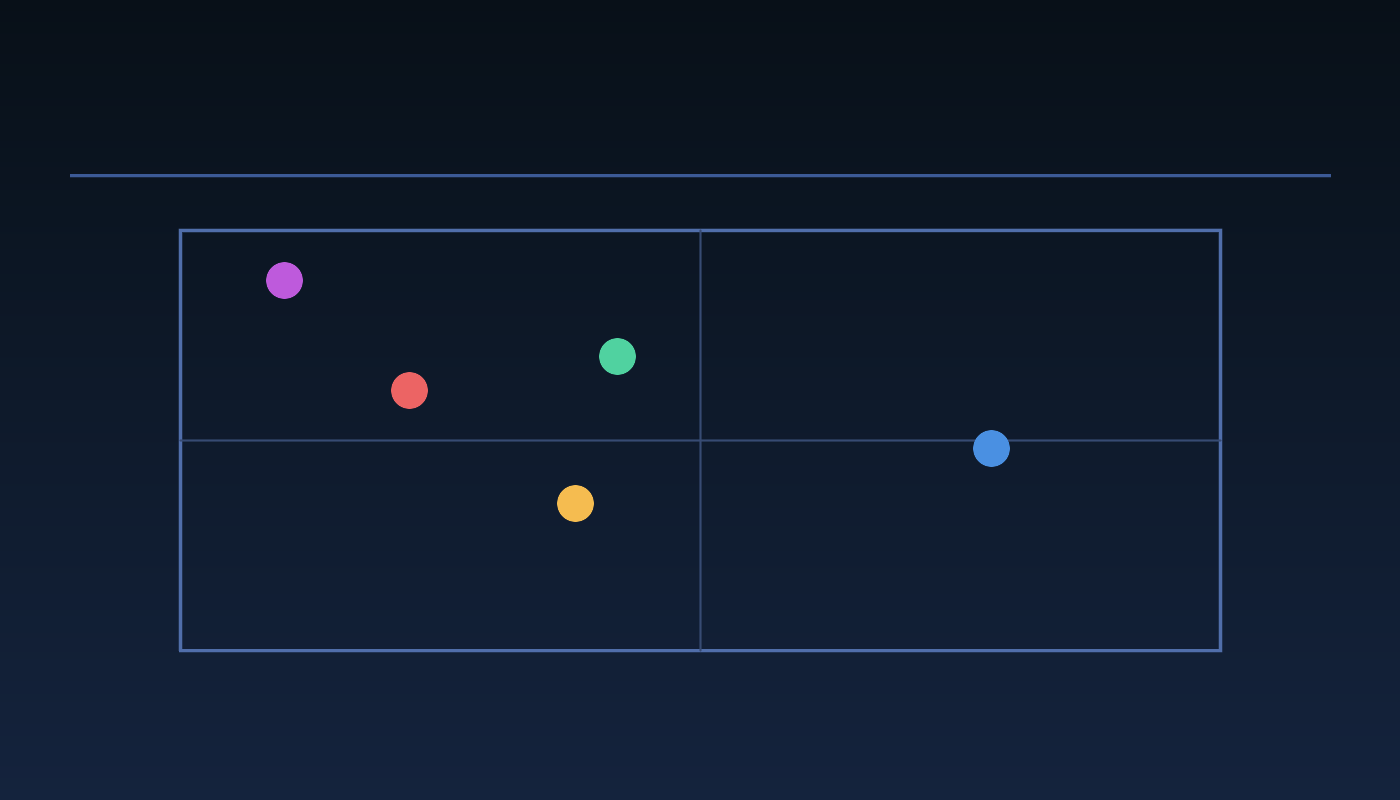
The uncertainty band around the 48% off-ramp scenario is meaningful. A clean choreography raises it. A U.S. victory lap lowers it. The 24% prolonged rhetorical dispute scenario is the main alternative because it does not require legal escalation. It only requires bad messaging, leaks, domestic coalition pressure, or summit text that leaves too many actors unsatisfied.
The risk framework is therefore:
- Low risk of formal suspension
- Moderate risk of prolonged political friction
- High relevance of Spanish domestic framing
- High relevance of eastern flank reassurance
- Moderate upside for defense procurement
- Low immediate systemic market risk
Conclusion
Spain NATO defense spending is a real pressure point, but suspension is the wrong mechanism for the job. The MiroFish simulation finds that the dispute is most likely to become a negotiated burden-sharing fight because every major institution has a reason to avoid formal membership ambiguity.
Washington wants a visible burden-sharing win. Spain needs sovereignty and face-saving language. NATO needs Article 5 credibility. Poland and the Baltic states want more spending without deterrence confusion. France and Germany want to prevent a punitive precedent while preserving alliance stability. Defense industry actors benefit if pressure becomes procurement.
The actionable takeaway is clear: watch the language, not just the spending number. If U.S. officials pivot from suspension to metrics, the off-ramp is working. If NATO rapidly reaffirms equal protection for all members, Russia's information advantage narrows. If Spain announces phased procurement and readiness commitments under a sovereign European frame, the crisis is absorbed.
The headline threat was dramatic. The likely outcome is procedural. That is how alliance politics usually survives shocks: not by proving the threat was real, but by converting it into a compromise that every capital can describe differently at home.